Choosing Korean tea and drinks starts with a practical question: do you want to brew a bag, stir a jar into water, or open a finished drink? This guide compares four products listed by a U.S. brand storefront or importer, using their published formats, ingredients, and directions, not a taste test.
Quick answer: choose your preparation format
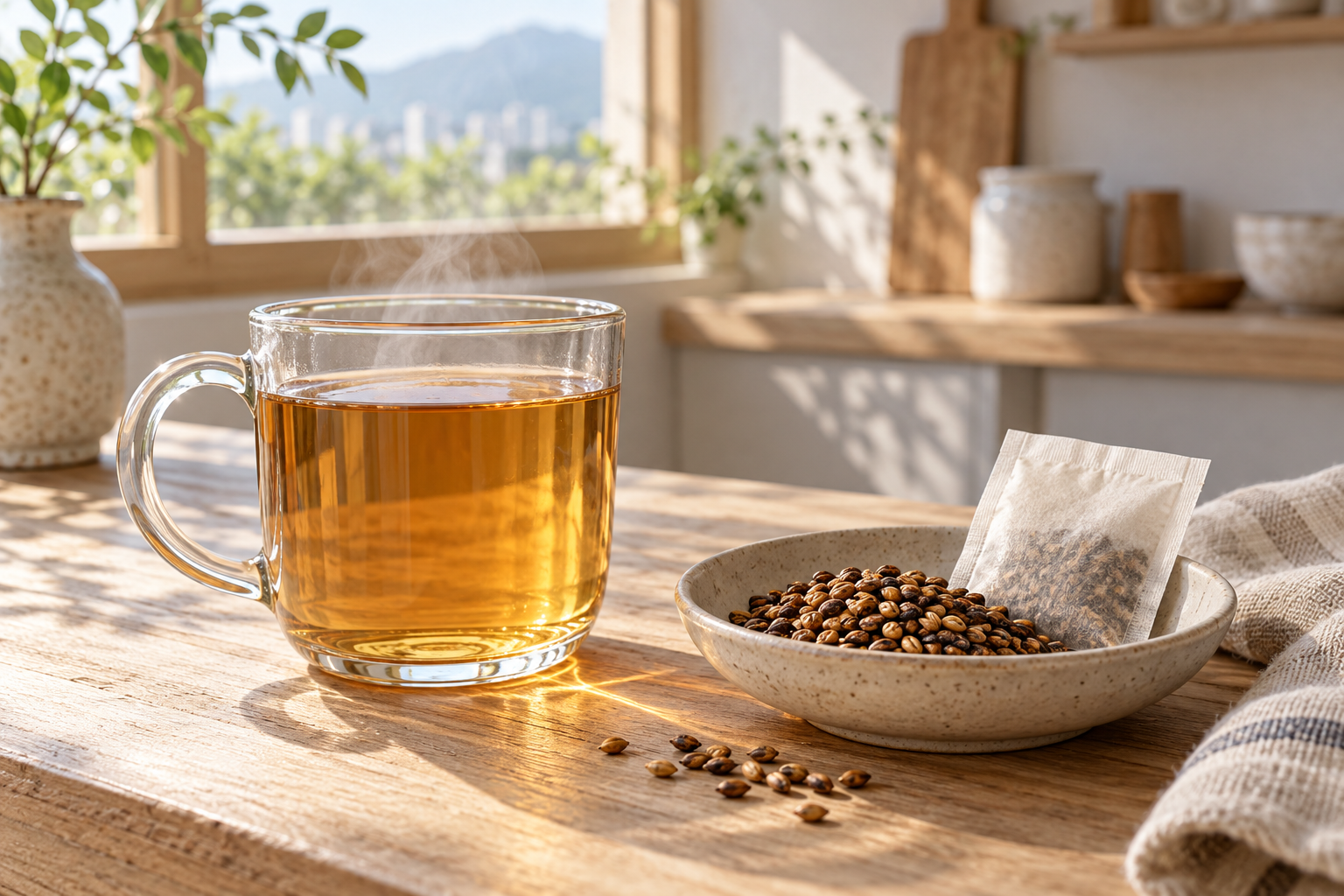
- Choose a tea bag if you want to brew each cup: Damtuh Barley Tea comes in a 50-bag box. Exclude it if barley is unsuitable for your diet or you need a drink that requires no brewing.
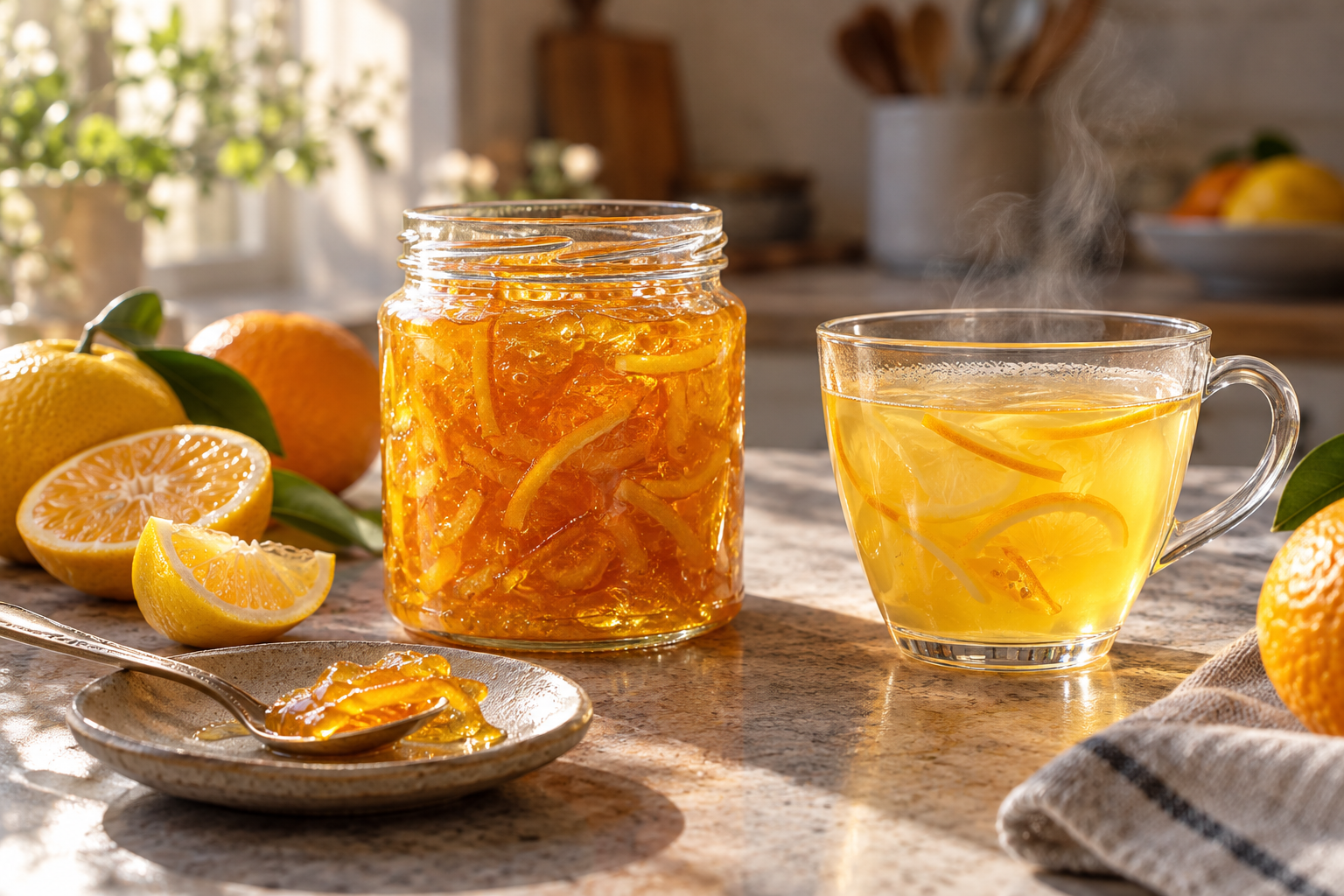
- Choose a spoonable jar if you want a concentrate to mix: Jayone Honey Yuzu Tea lists yuzu preserves, sugar, and honey. Exclude it if you avoid honey or want a product without listed sugar.
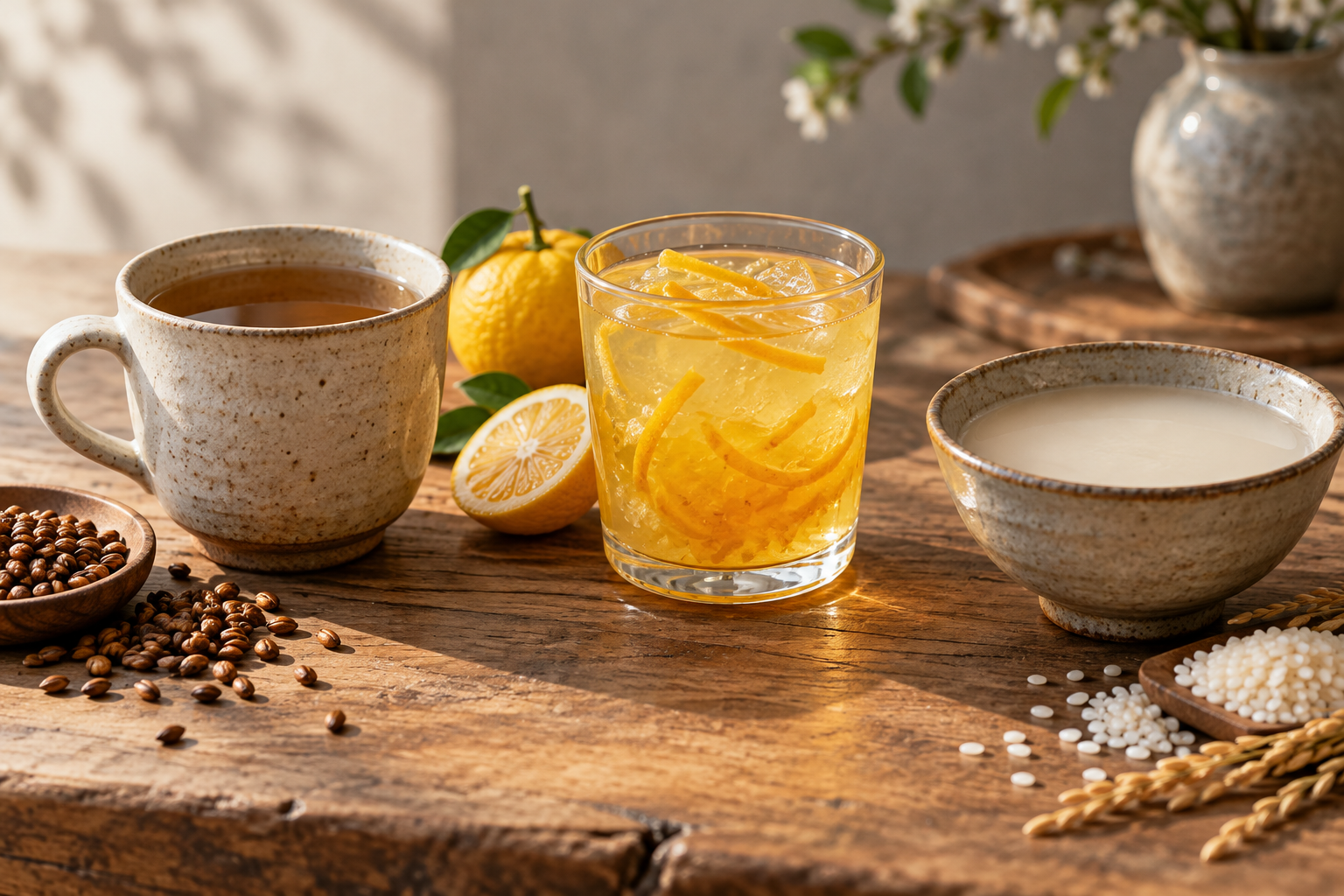
- Choose a finished drink if you want no steeping or mixing: Woongjin Haneulbori is a 16.9-fl-oz barley drink. NH-BukAnDong Sikhye is a 67.62-fl-oz rice punch with grain pulp. Exclude Haneulbori if barley is unsuitable; exclude this sikhye if you avoid listed sugar or grain pieces.
These are conditional format choices, not recommendations about which product tastes best. Check the exact package before buying.
Compare the U.S.-listed products before choosing
The products below are different kinds of purchases. A bag is a brewing portion, a jar is concentrate, and a bottled drink is already prepared. Their package sizes therefore do not represent equal amounts of finished beverage. For a broader comparison with groceries you might buy alongside them, start with our Korean pantry staples guide.
Source note: Official U.S.-facing pages were reviewed on October 25, 2026. Damtuh USA supplies the tea-bag information; U.S. importer Jayone Foods supplies the other three listings. We have not purchased, brewed, or tasted these products. Descriptions below identify ingredients and purchasing formats, not personal flavor judgments. Korean domestic-market labels, customer reviews, and retailer nutrition entries were not used to fill gaps. The illustrations are AI-generated, not photographs of these products or evidence of preparation or testing.
| Product and U.S.-listed package | Published ingredients | Official preparation or serving information | Flavor identity from source, not a tasting score | Our personal taste evaluation |
|---|---|---|---|---|
| Damtuh Barley Tea: 50 individually wrapped tea bags | 100% barley. The site’s ingredient field spells it “Barely”; the product description identifies roasted barley. | Summary: one bag in 6–8 oz hot water. Separate brew panel: 100 mL, 95–100°C, 1–2 minutes. These water amounts conflict; follow your package. | Roasted barley; the brand describes toasty and nutty notes. | Not evaluated. No strength, aroma, or preference score. |
| Jayone Honey Yuzu Tea: 1.1-lb and 2.2-lb jar sizes listed | Yuzu preserves (yuzu, sugar), sugar, water, honey, citric acid, trisodium citrate, carrageenan gum, ascorbic acid, refined salt. | Stir a spoonful into hot or iced water. No fixed spoon size or dilution ratio is given in the reviewed text. | Yuzu-and-honey marmalade; no independent sweetness assessment. | Not evaluated. No claim about citrus intensity or balance. |
| Woongjin Haneulbori: 16.9 fl oz | Mixed grain extract (roasted barley, roasted corn, roasted brown rice, roasted chicory), purified water, barley extract concentrate, vitamin C, sodium bicarbonate. | Serve chilled over ice or warm in a cup, according to the importer. | Roasted-grain drink; the importer describes a toasty character. | Not evaluated. No comparison with freshly brewed barley tea. |
| NH-BukAnDong Sikhye: 67.62 fl oz | Water, sugar, malt, non-glutinous rice, malt syrup, enzymes (α-amylase, cellulase), yam extract, flavor enhancer (grain alcohol, glycerin, ε-polylysine, DL-malic acid), ginger concentrate, sodium benzoate. | The importer says to serve well chilled; the product includes grain pulp. | Sweet rice punch with grain pulp, as identified by the importer. | Not evaluated. No sweetness, grain-texture, or preference ranking. |
Do not read these ingredient lists as nutrition panels. Listed sugar is not a measured sugar total, and an ingredient list without sugar does not establish a numerical zero-sugar claim. We have not supplied calories, sugar grams, or servings per container where the reviewed text did not establish them.
Tea bags: choose the brewing routine, not an imagined flavor
Damtuh’s box is a format match when you want individually wrapped bags to prepare one at a time. The official page identifies roasted barley and labels this product caffeine-free. That statement applies to this listing, not to every drink marketed as Korean tea.
The conflicting water amounts matter. The summary’s 6–8 ounces and the separate panel’s 100 mL are not interchangeable instructions. We cannot resolve that difference through tasting or package inspection because neither was performed. Read the directions on the box you receive; if they are unclear, ask the brand rather than treating either online amount as a universal recipe.
The same page reports production in a facility that also uses milk, walnut, almond, soybean, peanut, buckwheat, and peach. That is a facility statement, not a declaration that each of those foods is an ingredient. If an allergy or dietary restriction matters, verify the current package and contact the manufacturer as needed.
A yuzu jar: choose a mixing ingredient, not ready-to-drink tea
Jayone Honey Yuzu Tea is described as marmalade. Its published ingredient list includes sugar both within the yuzu preserves and separately, along with honey. That makes the jar a different purchase from a box of grain tea bags: you are buying something to spoon into water, not material to steep and discard.
The official directions allow hot or iced water but provide only “a spoonful,” not a measured recipe. We therefore do not promise a particular number of cups from either jar size. Portion size and dilution would change that calculation. Use the received jar’s instructions where available, and do not borrow a ratio from another brand or a Korean domestic version.
If you exclude honey from your diet, this specific jar is not a match. The word “tea” alone does not establish its caffeine content, certifications, or suitability for a particular allergy. Those require product-specific confirmation, not an assumption based on fruit ingredients.
Finished drinks: distinguish barley beverage from rice punch
Haneulbori eliminates the brewing step, but it is not simply the Damtuh bag in bottled form. Jayone’s ingredient list includes corn, brown rice, and chicory in its mixed grain extract as well as barley. Choose this listing only if that ingredient combination matches what you intend to buy.
The importer describes Haneulbori as caffeine-free. This is a published product claim, not our laboratory measurement, and the reviewed text does not give a measured caffeine amount. Its serving directions mention warming in a cup; they do not authorize heating the unopened container.
The NH-BukAnDong sikhye listing is a much larger package and explicitly identifies grain pulp. Its ingredients include sugar, malt, rice, and malt syrup. Do not choose it on the assumption that every rice-based drink is smooth, grain-free, or nutritionally equivalent to brewed tea. The page does not identify the grain source of the malt, so this guide does not certify it as gluten-free.
Use the format, then check the purchase details
For brewing or mixing, match the equipment to the instructions: a cup suitable for the stated water temperature, a spoon for the jar, and a measuring vessel if the package specifies a volume. Our Korean kitchen tools guide can help organize those basic preparation choices. No specialty equipment is established as necessary by the reviewed directions.
Before checkout, match the product name, flavor, net quantity, and U.S. importer information to the item actually offered. Jayone lists both jar sizes on one page; that does not mean both are available from every seller. Likewise, a wholesale case count is not a consumer serving count. This guide makes no live-stock or delivered-price claim and does not rank unit prices.
Check the received package’s storage and after-opening directions rather than applying one rule to bags, marmalade, and bottled punch. Record when you open a product if its label requires a time limit. For the final buying check, use our Korean food labels and allergens guide alongside the exact ingredient list, allergen statement, and certifications on your package. A product name or online description cannot replace those checks.
Frequently asked questions
Is all Korean tea caffeine-free?
No blanket claim is made here. Damtuh USA describes this barley tea as caffeine-free, and Jayone does the same for Haneulbori. We did not establish caffeine content for the yuzu jar or sikhye, so those remain unverified in this guide.
Is honey yuzu tea a tea bag?
Not this product. Jayone’s Honey Yuzu Tea is a spoonable marmalade sold in listed 1.1-lb and 2.2-lb sizes. The official directions call for mixing a spoonful into hot or iced water.
Can I assume sikhye is gluten-free because it contains rice?
No. This listing also includes malt and malt syrup without identifying the malt’s grain source. Check the exact package and obtain manufacturer confirmation when needed; rice in the name does not establish gluten-free status.
Which one tastes best for a first purchase?
We cannot rank untested products by taste. Narrow the choice by brewing versus mixing versus opening, then exclude incompatible ingredients and package sizes. The remaining taste decision is personal and was not evaluated here.
Sources
- Damtuh USA: Barley Tea, 50 Teabags. Pack count, ingredient, caffeine claim, facility statement, and conflicting brewing directions.
- Jayone Foods: Honey Yuzu Tea. Jar sizes, ingredients, and mixing directions.
- Jayone Foods: Woongjin Haneulbori. U.S. distribution, package size, ingredients, caffeine claim, and serving information.
- Jayone Foods: NH-BukAnDong Sikhye. U.S. distribution, 67.62-fl-oz specification, ingredients, grain pulp, and chilled serving direction.
Last reviewed: 2026-10-25. Editorial scope: official-source purchasing guidance only. No hands-on tasting, nutrition testing, or health-benefit evaluation was performed.